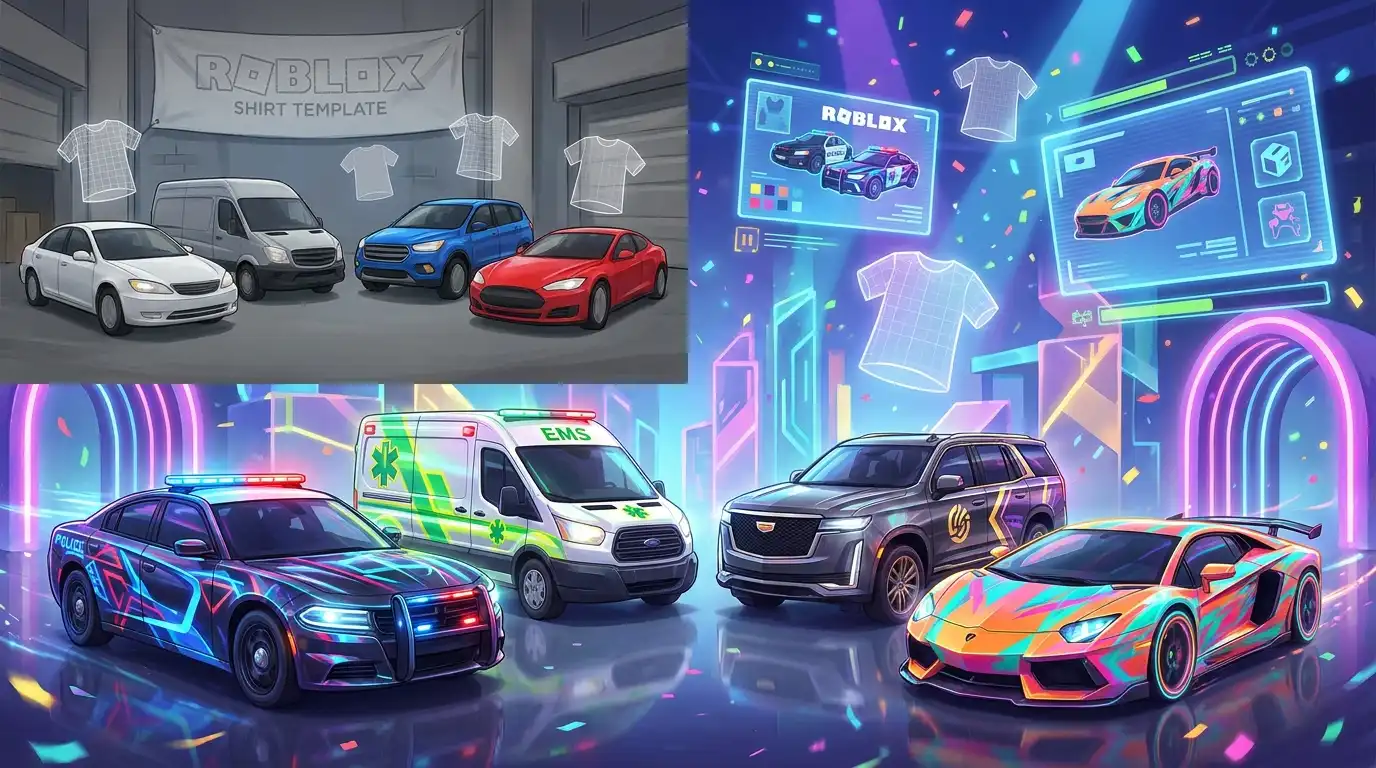
FiveM Liveries and Vehicle Wraps for Server Fleets
Server fleets do more than move players around. They show who belongs where, what a faction stands for, and how polished a server feels the second someone loads in. A police cruiser, taxi, tow truck, gang car, or delivery van can tell the story before anyone even says a word. That’s why fivem liveries and vehicle wraps matter so much.
For game developers, modders, and creative players, good fleet design is about more than making a car look cool. It’s about building something people can really use. Teams need style rules, repeatable files, clear markings, and a workflow that holds up across lots of fivem vehicles. At times, that means working across platforms too. If they also design for Roblox, CS2, or CS:GO, the idea will already feel familiar. Strong vehicle design is really asset design, shaped around gameplay goals.
This guide shows how to build server fleets that feel consistent, fit the lore, and stay easy to manage. It explains why fleet wraps often matter, how to plan a visual system with room to grow, and which technical steps and common mistakes can slow a team down… It also looks at how tools like Alive Games help teams move faster while keeping creative control.
Why fivem liveries matter more than many server owners think
One custom car can be fun. But a full fleet with matching logic makes a server feel real in a way one-off designs just don’t. Players notice it. Emergency units using the same stripe system, business vans carrying the same brand colors, and rival factions with clearly different visual language. That kind of consistency helps the world feel believable.
There’s also a clear platform reason to care. Official Cfx.re data shows how big the audience is for polished custom assets.
For the first time in 2023, FiveM broke 300,000 concurrent players, while RedM broke 10,000 concurrent players, and more than 20 million unique players have now engaged with our platforms to date.
| Metric | Figure | Period Covered |
|---|---|---|
| FiveM peak concurrent players | 300,000+ | 2023 milestone reported in 2024 |
| FiveM and RedM unique players | 20 million+ | Cumulative through Sept. 2024 |
| FiveM live player snapshot | ~120.5k | Point-in-time display at source retrieval |
Those numbers don’t measure livery sales on their own, but they do show why better visual assets matter. In a large ecosystem, quality stands out. A server with strong fleet branding looks more serious, feels more memorable, and gives players another reason to join. Many teams now treat wraps as identity assets, not just decoration. And if a team already works on outfits, FiveM clothing templates follow a similar logic: one style system can shape the entire server experience.
Build a fleet system for fivem liveries, not random one-off skins
The best vehicle wraps start before Photoshop, Substance, or any editor opens. First, decide what the fleet needs to say. Then think about the vehicle’s role, whether that’s law enforcement, medical response, criminal RP, public transit, event staff, or a private company. Different role, different visual goal.
A simple planning step helps:
1. Set the faction identity
Pick the main colors, shapes, and tone. For a city service, clean blocks with high contrast work well. For a street racing crew, go bolder, with sharper accents and stronger gradients.
2. Create rules for all classes
Don’t design the sedan first, then hope the SUV fits later. Instead, set stripe placement, logo size, hood treatment, roof markings, and rear identifiers for every model.
3. Design for distance in fivem liveries
Players may spot vehicles while moving fast or from across the street. Tiny details may look great in a mockup, but fall apart during play. Check readability from a distance.
4. Keep naming and exports organized
Use clear labels like pd_sedan_a, pd_suv_b, or ems_van_primary. Once the fleet starts to grow, messy file names stop feeling like a small annoyance and turn into a real problem fast.
A lot of creators slip up here. They go for style first instead of building a system. It’s better to treat fleet wraps like a modular asset pack. The same approach shows up in broader game art workflows too, and Best Online Design Tools for Game Skin Mockups can help with quicker concept passes before the final texture work. Teams working across multiple games may also benefit from Top Tools for Game Asset Design in 2026: Software for Skins, Clothing, and Decals when planning larger asset libraries.
Allow advertising and social cookies to watch embedded videos.
Lore-friendly design usually works better than copied real brands
More new FiveM vehicle designs now use lore-friendly branding. It suits the GTA-style world better and avoids directly copying a real police department, ambulance service, company logo, or motorsport sponsor.
Lore-friendly fleets are better for roleplay. They keep immersion intact and don’t take players out of the experience. A fictional city department with its own seal, color code, and unit markings can work better than a straight clone of a real agency.
There’s another reason too. Original wraps lower legal and platform risk, since exact copies of real trademarks can cause problems a server owner doesn’t need. A custom identity also gives the server more space to grow.
It also makes expansion easier. Once a server has its own symbols and style language, it can apply that across patrol cars, utility trucks, race cars, and service vans without feeling boxed in.
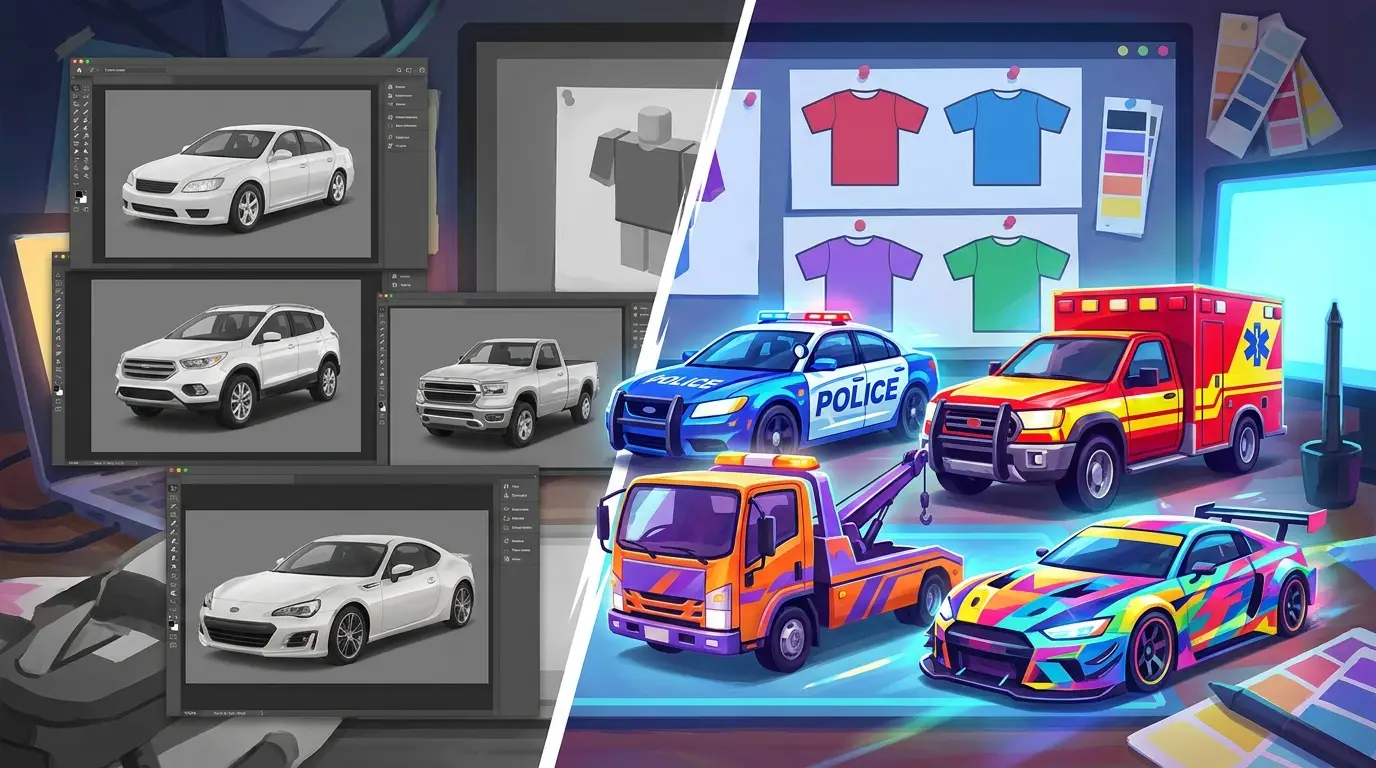
Take a few simple examplesA city fleet might use navy, white, and silver, then add diagonal stripes on the rear quarter. Clean and easy to notice.
A criminal faction could use matte black, one sharp secondary color, and a symbol that appears again near the rear panel. Distinct. A taxi brand might use a bright roof accent so it remains visible in traffic. Those small choices matter. They make fivem vehicles easier to spot and easier to remember on the street.
When a server already invests in outfits, FiveM Clothing Designer Tips for Better Outfit Packs can help bring uniforms and vehicles together under one stronger visual identity. Creators who also work in Counter-Strike workflows may find CS2 Skin Design: Understanding Finish Styles useful for studying how surface treatments affect readability and style.
The technical side: your wraps live inside a real asset pipeline
A lot of creative teams miss this. In FiveM, liveries are not just flat stickers put on a car. They sit inside a technical pipeline that follows GTA V asset structure and still relies on the same core parts: .ytd texture dictionaries, .yft model files, add-on vehicle resources, streamed assets, and a properly configured fxmanifest.lua.
Your workflow should feel more like real production work, not just simple modding. Use less trial and error.
Start with the vehicle source
Check if the vehicle is a base model, a custom add-on, or a pack from another creator. Different vehicles can map textures in very different ways.
Match the UV layout before final art
Even a strong wrap falls flat when the hood, doors, and trunk don’t line up with the actual texture map. Test the mockup on the model early. This helps avoid headaches later.
Export with version control
Keep source files, layered working files, test exports, and final game-ready textures in separate folders. It saves time. When updating ten fleet vehicles, those folders can save hours.
Test at different times of day
A wrap may look balanced at noon, then get hard to read at night. Reflective-looking areas, dark color blocks, and subtle contrast can all fall apart in poor lighting. That’s easy to miss.
Advanced teams also talk about runtime texture replacement with functions like CreateRuntimeTxd and related methods. It’s more complex, but it allows options like event-only wraps, temporary sponsor looks, or seasonal fleet variants without rebuilding every vehicle from scratch. Teams researching broader customization systems can also review the FiveM Skins Customization Guide for Server Developers for related asset workflow ideas.
Common mistakes that make server fleets feel cheap
A lot of bad wraps come from rushed choices, not weak talent. That’s the good news. Most of these problems are pretty easy to avoid.
One common issue is cramming too many ideas onto one car. A fleet sedan doesn’t need five accent colors, three logos, gradients, grunge, and racing stripes all fighting for attention. Clear hierarchy works better.
Another mistake is ignoring the vehicle’s shape. A design that looks great on a low sports car may not work on a tall SUV, where the lines can stretch, break, or end up in awkward spots. Good vehicle design follows the body lines, door cuts, windows, and panel spacing. Simple, but key.
Some creators also forget gameplay readability. When two factions use the same dark palette and almost identical markings, players can’t tell them apart fast enough. In roleplay, clear visuals matter from the start.
File management can quietly create problems too. When wraps, previews, and exported textures all end up with random names, even small updates turn into a mess that wastes time and causes confusion. Teams then fix the wrong file instead of the asset that really needs work.
Many servers also build one hero vehicle and stop there. A fleet needs standards across the vehicles people see every day, not just one polished showpiece. Even 4 to 6 matching vehicles can feel more complete than one main centerpiece.
A practical workflow for creators and server teams
Use a simple, repeatable process if the goal is better results.
Start with a fleet brief. Write down the faction name, role, main colors, and unit types, plus the feeling players should get when they see the vehicle. Then make a style board with references and shape ideas, along with a short list of required elements.
Next, choose one test vehicle and build the base system on it first. Focus on the main parts: stripe width, logo placement, roof treatment, and rear visibility rules. Then use that same setup for the other models, since that’s likely simpler than rebuilding each one from scratch.
Run in-game tests with real traffic, weather, and player distance. Ask practical questions. Can players identify the unit quickly? Does the wrap still read well at speed? Does it fit the server world?
For teams that want faster concepting, Alive Games can help with custom game assets and templates with less hassle, especially when creators work across multiple games. It also helps when a cleaner asset workflow is needed. Keep the process simple: concept, test, export, refine, then roll out the full fleet. Some teams also compare decal and branding systems from other games, including Designing CS2 Stickers and Decals: A 2026 Creator’s Toolkit, to refine placement and visibility ideas.
Put your fleet identity into practice
The strongest FiveM liveries don’t come from piling on more detail. They come from smart choices. A good fleet wrap supports roleplay, boosts recognition, and gives your server a clear visual style. A small tweak can change a lot. It can give a police unit an official look, make a business seem established, and make a faction look more organised.
Keep the core ideas simple. Treat vehicle wraps as part of your server identity, not random extras added later. Build a system, not just one-off designs. Pick lore-friendly branding that fits the world. Also respect the technical pipeline behind fivem vehicles. Test for clarity, not just style, and keep your files organised so the fleet can grow without becoming a mess.
Creating assets for FiveM, Roblox, CS2, or GTA multiplayer takes the same mindset. Good wraps work like good skins and uniforms. They balance style, function, and consistency… No fluff. Alive Games fits naturally into that process and helps creators move from idea to usable asset faster.
If your current fleet feels messy, start small. Pick one faction first. Set a few visual rules. Build one strong prototype, then expand with purpose as the rest of the fleet takes shape. Better fivem liveries help turn a fleet into a server world players will remember.